Hardware Engineer in PT. Stechoq Robotika Indonesia
Hardware Engineer in PT. Stechoq Robotika Indonesia
Hardware Engineer in PT. Stechoq Robotika Indonesia
Aug 1, 2023
-
Dec 30, 2023
Overview
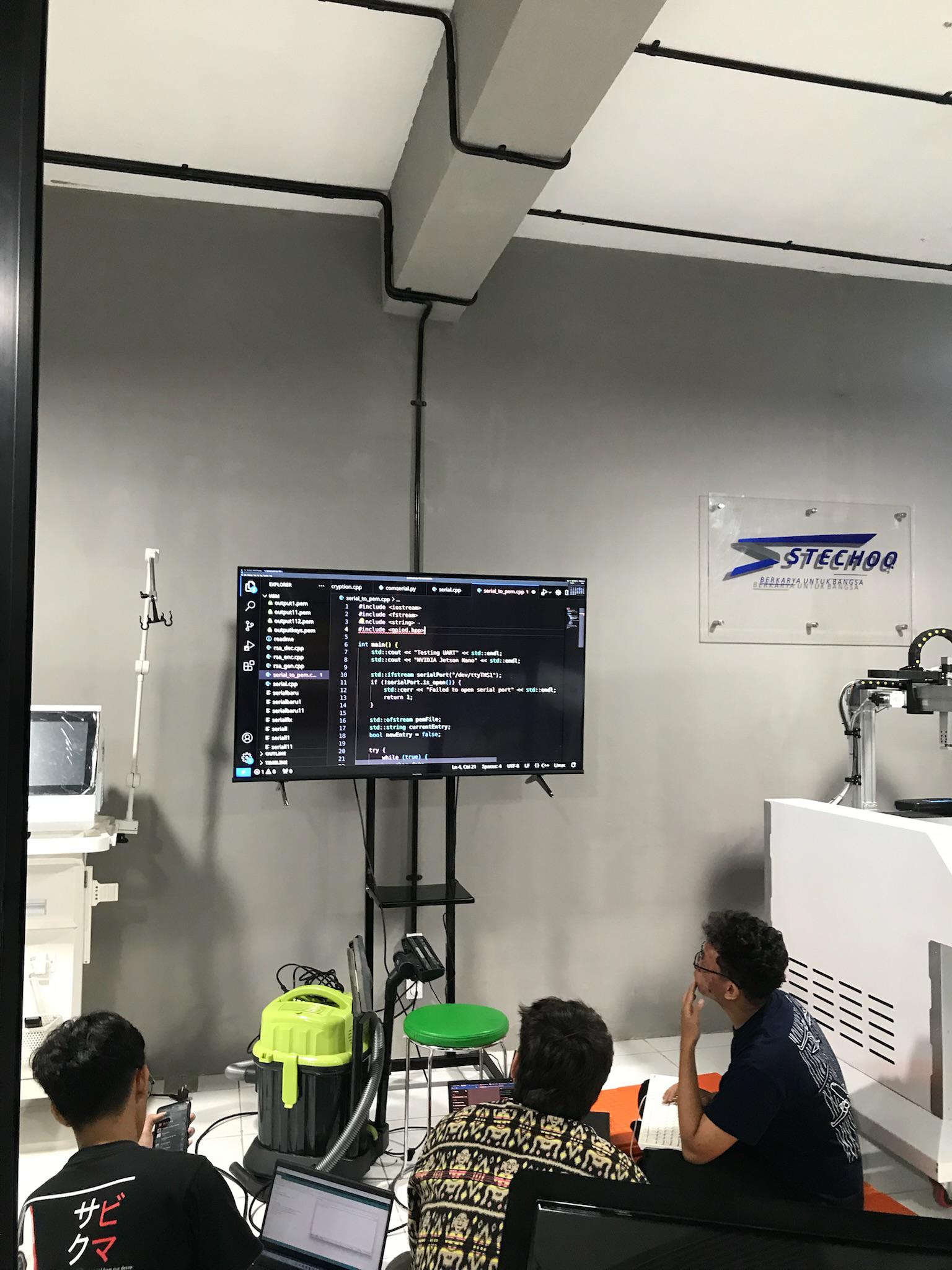
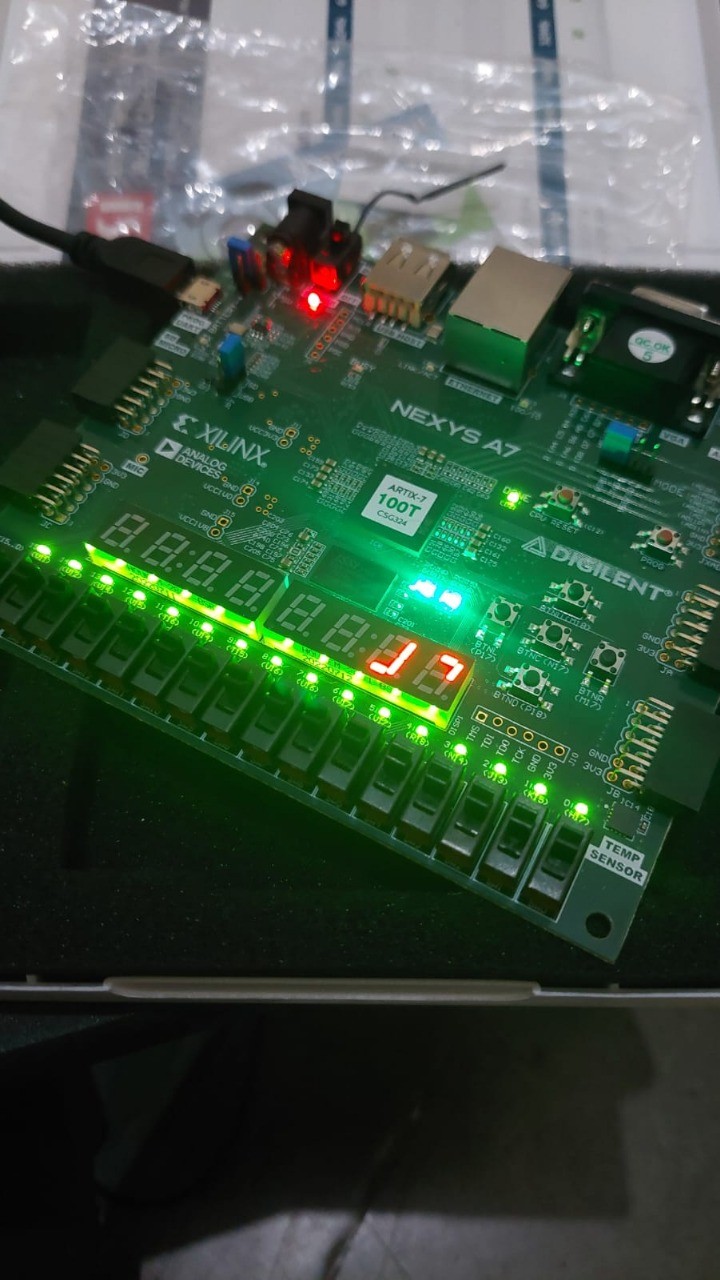
During my internship at Stechoq, I was involved in hardware engineering projects that focused on the design, development, and testing of embedded systems, especially Field Progammable Gate Arrays(FPGAs). The internship provided me with valuable hands-on experience in working with various FPGAs(Xilinx, Artix, and Spartan), sensors, and communication protocols. I collaborated with a team of engineers to prototype and troubleshoot Hardware Security Modules(HSM), with a specific emphasis on optimizing hardware design for enhanced performance and reliability. The experience allowed me to deepen my understanding of circuit design, Embedded Systems, and hardware-software integration, while also honing my skills in debugging and testing electronic components.
Key Activities and Responsibilities:
Circuit Design & Hardware Programming: Assisted in designing and optimizing HSM layouts using software tools such as Vivado and Lattice. Ensured proper component placement, signal integrity, and power distribution.
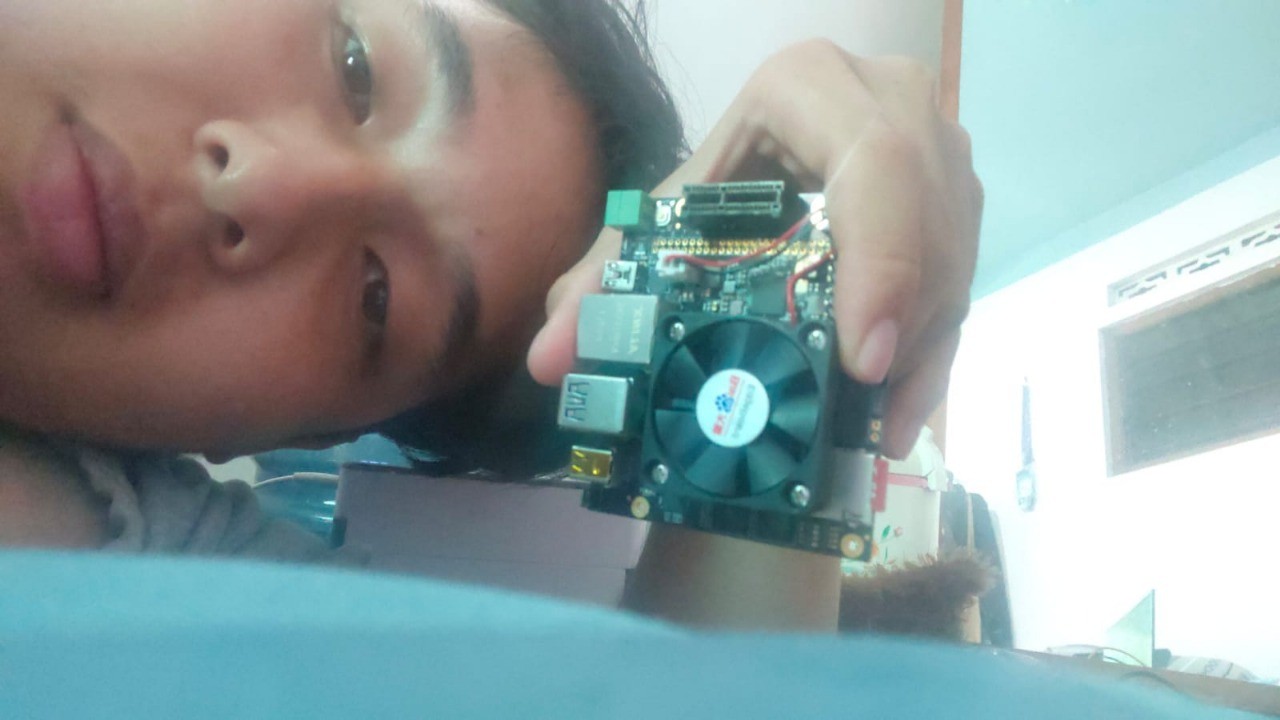
Single Board Computer(SBC) Programming: Implemented embedded systems programming using languages such as C and Python, focusing on SBCs like Jetson Nano and Raspii.
Sensor Integration: Integrated various sensors (e.g., temperature, humidity, and ultrasonic sensors) into embedded systems, ensuring accurate data acquisition and processing.
Communication Protocols: Implemented communication protocols such as UART, I2C, and SPI to facilitate data transfer between microcontrollers and peripheral devices.
Testing and Troubleshooting: Conducted functional testing of hardware prototypes, identifying and resolving circuit malfunctions, soldering issues, and software bugs.
Documentation and Reporting: Documented project progress, including schematics, testing procedures, and debugging strategies, ensuring comprehensive records for future reference.
Overview
During my internship at Stechoq, I was involved in hardware engineering projects that focused on the design, development, and testing of embedded systems, especially Field Progammable Gate Arrays(FPGAs). The internship provided me with valuable hands-on experience in working with various FPGAs(Xilinx, Artix, and Spartan), sensors, and communication protocols. I collaborated with a team of engineers to prototype and troubleshoot Hardware Security Modules(HSM), with a specific emphasis on optimizing hardware design for enhanced performance and reliability. The experience allowed me to deepen my understanding of circuit design, Embedded Systems, and hardware-software integration, while also honing my skills in debugging and testing electronic components.
Key Activities and Responsibilities:
Circuit Design & Hardware Programming: Assisted in designing and optimizing HSM layouts using software tools such as Vivado and Lattice. Ensured proper component placement, signal integrity, and power distribution.
Single Board Computer(SBC) Programming: Implemented embedded systems programming using languages such as C and Python, focusing on SBCs like Jetson Nano and Raspii.
Sensor Integration: Integrated various sensors (e.g., temperature, humidity, and ultrasonic sensors) into embedded systems, ensuring accurate data acquisition and processing.
Communication Protocols: Implemented communication protocols such as UART, I2C, and SPI to facilitate data transfer between microcontrollers and peripheral devices.
Testing and Troubleshooting: Conducted functional testing of hardware prototypes, identifying and resolving circuit malfunctions, soldering issues, and software bugs.
Documentation and Reporting: Documented project progress, including schematics, testing procedures, and debugging strategies, ensuring comprehensive records for future reference.
Findings
Hardware-Software Co-Design: The importance of aligning hardware design with software functionality to ensure seamless communication and system performance.
Optimization Techniques: Learned various optimization techniques for reducing power consumption and enhancing processing speed in embedded systems.
Debugging Strategies: Developed effective debugging strategies for identifying hardware faults, including the use of oscilloscopes, logic analyzers, and multimeters.
Time Management: Improved time management and project scheduling skills to handle multiple tasks effectively, adhering to project timelines and deadlines.
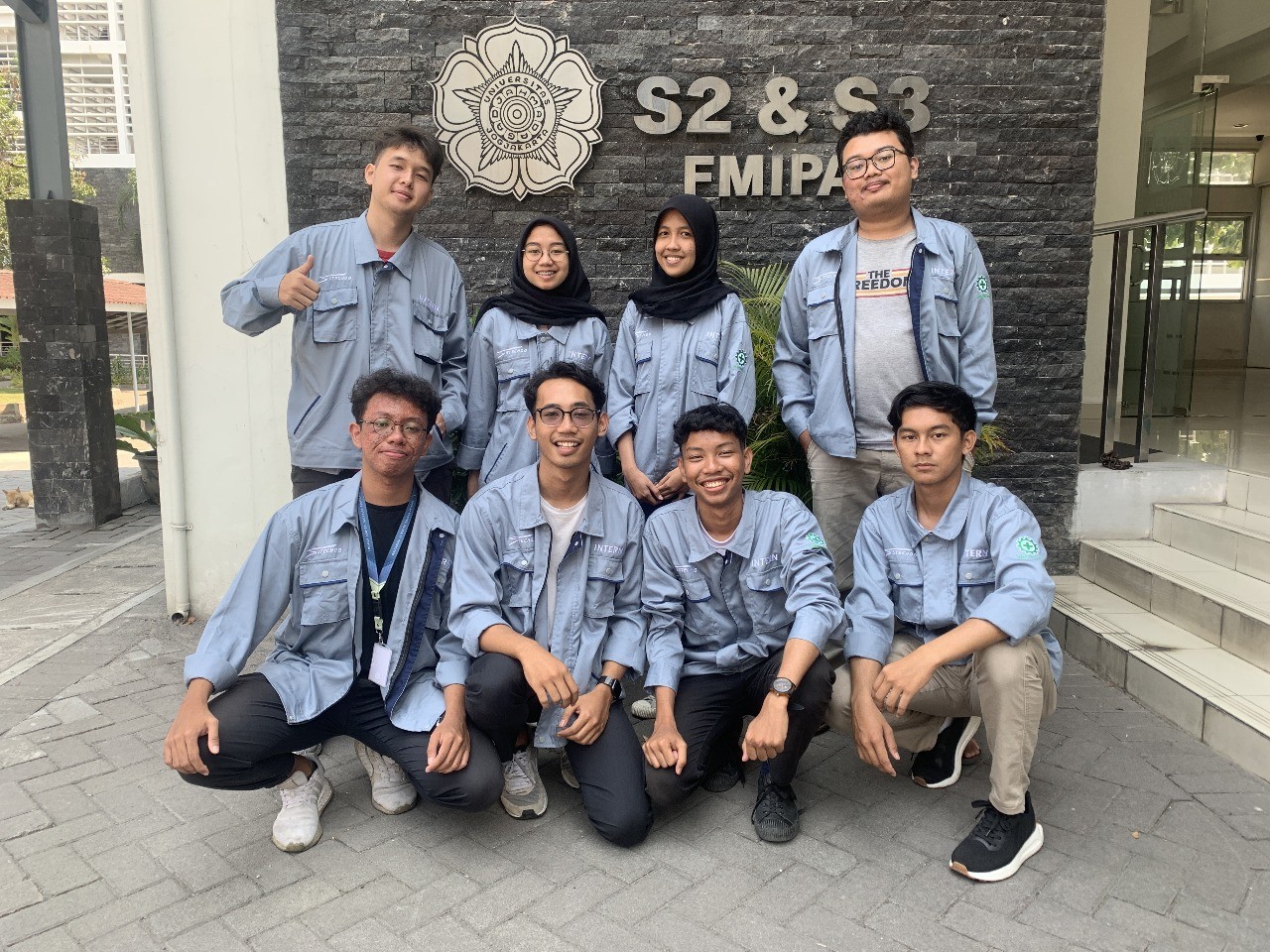
Collaboration and Communication: Gained practical experience in working within a multidisciplinary team, coordinating with software engineers and project managers to align project objectives and deliverables.
Findings
Hardware-Software Co-Design: The importance of aligning hardware design with software functionality to ensure seamless communication and system performance.
Optimization Techniques: Learned various optimization techniques for reducing power consumption and enhancing processing speed in embedded systems.
Debugging Strategies: Developed effective debugging strategies for identifying hardware faults, including the use of oscilloscopes, logic analyzers, and multimeters.
Time Management: Improved time management and project scheduling skills to handle multiple tasks effectively, adhering to project timelines and deadlines.
Collaboration and Communication: Gained practical experience in working within a multidisciplinary team, coordinating with software engineers and project managers to align project objectives and deliverables.